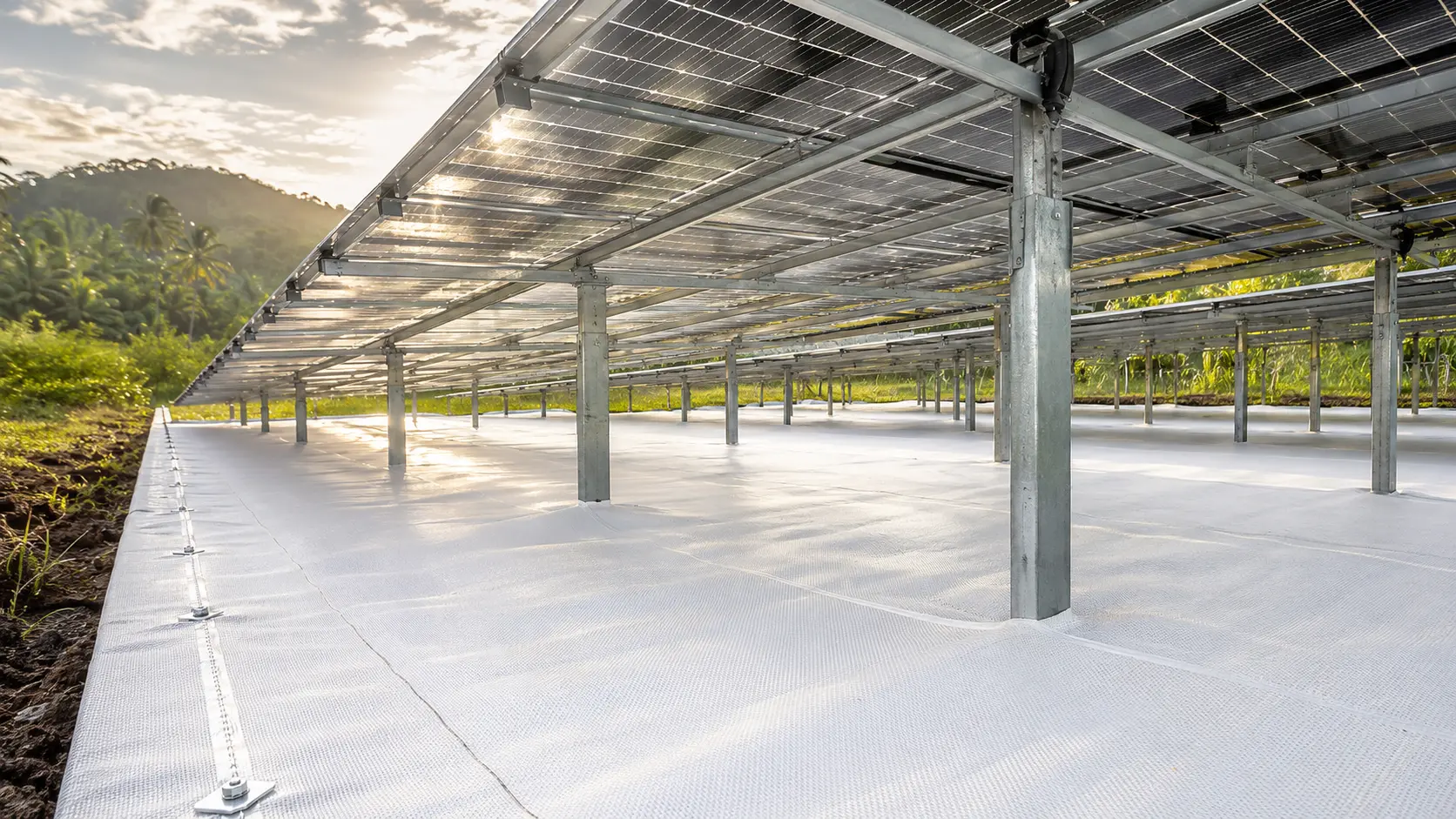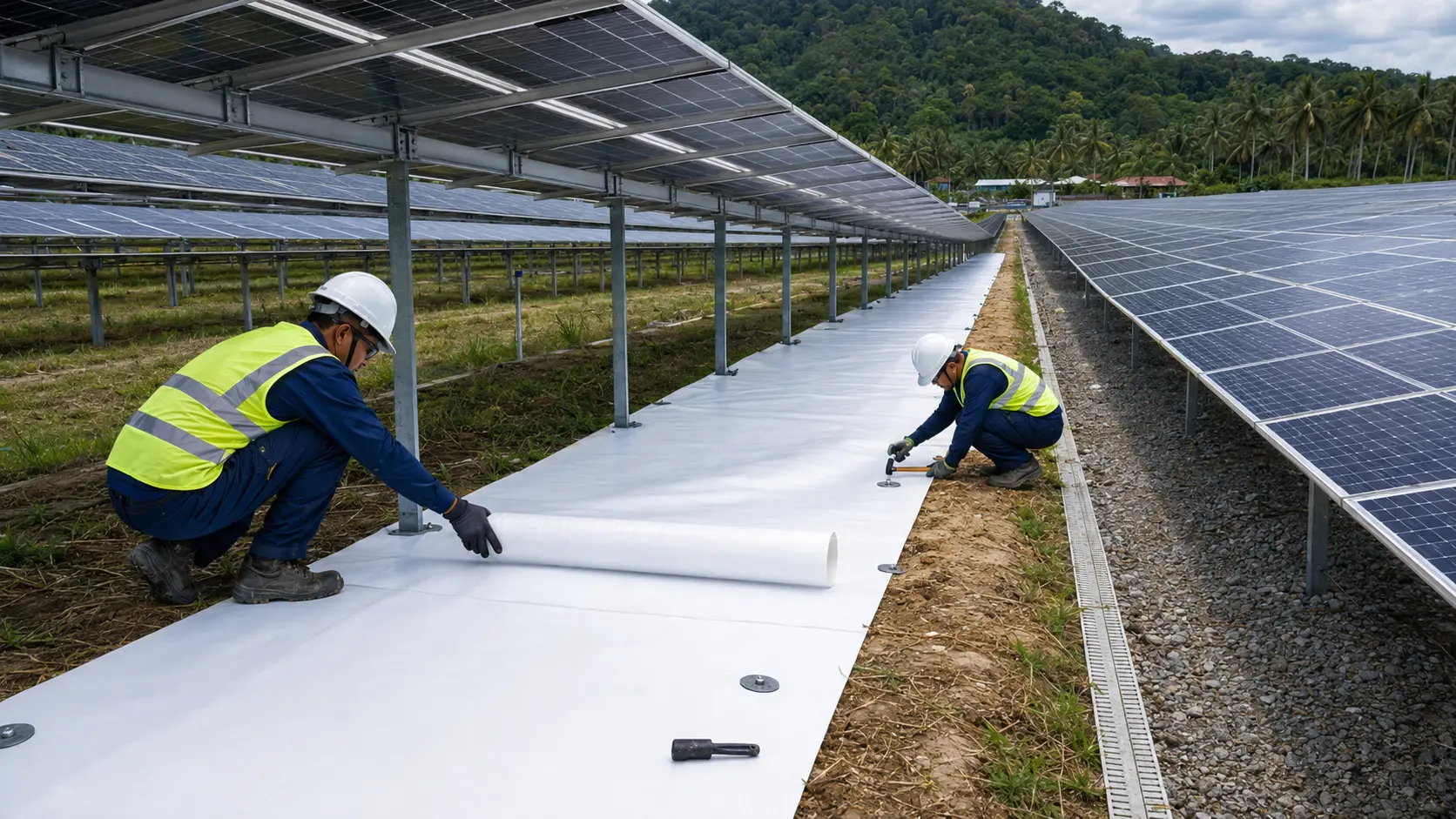
An operating bifacial plant can be retrofitted without replacing its modules, but the project should proceed through screening, design, pilot, safe installation and measured acceptance. The best candidates have reliable performance data, suitable rear-side geometry, manageable vegetation and drainage, and enough inverter or storage headroom to monetise the gain.
Key takeaways
- Screen data before site work.
- Pilot a representative and controlled block.
- Plan access and electrical safety.
- Scale only after measured acceptance.
Screen the asset
Review 12–24 months of SCADA, weather, inverter clipping, curtailment, availability and vegetation costs. Confirm module bifaciality, table geometry, ground conditions and remaining asset life. A mature plant with good data can support a stronger before-and-after analysis.
Exclude blocks where drainage, terrain, access or persistent shading makes coverage impractical.
Design a representative pilot
Choose treatment and control areas with comparable equipment, topography and operating history. Instrument plane-of-array and rear irradiance where practical, record albedo, and define weather-normalised KPIs before installation.
The pilot should test energy, installation productivity, wind and drainage details, soiling, cleaning and vegetation—not only a short-term power snapshot.
Install without compromising operations
Coordinate outages or safe work zones, tracker lockout, vehicle routes, hot-work restrictions and daily housekeeping. Protect cables, earthing, foundations and drainage. Document concealed areas before coverage.
Use a quality plan for substrate, roll orientation, overlap, seam, tension, anchor torque or pull tests and completion photography.
Accept, learn and scale
Compare treatment and control blocks across representative weather, adjusting for availability and cleaning. Inspect after heavy rain and wind. Reconcile measured performance with the model and update the financial case.
Scale-up should incorporate pilot productivity and repair lessons. A phased rollout can prioritise the highest-value inverter blocks first.
Frequently asked questions
Questions asset owners and EPCC teams ask
Does retrofit require module replacement?+
No. The concept changes the ground surface under compatible bifacial arrays. Existing modules, structures and inverters can remain, subject to engineering review.
How long should a pilot run?+
Long enough to capture representative sun, rain, soiling and operating conditions. The exact period depends on climate, measurement design and decision risk.
Sources and further reading
External technical and policy links are provided for due diligence. Supplied-reference project claims should be verified against full reports before investment use.
Engineering and investment note: This article is educational content, not a performance guarantee, tender interpretation or investment recommendation. Project results depend on site geometry, measured conditions, equipment, contracts and final engineering.