Inverter clipping occurs when available DC power exceeds the inverter's AC conversion limit. A reflective membrane can increase DC power, but any gain during already-clipped hours may not reach the grid. Its commercial value is highest when the inverter has headroom, the gain occurs outside clipped periods or a BESS can charge from otherwise constrained energy.
Key takeaways
- DC gain is not automatically AC gain.
- Review hourly inverter loading.
- Morning, evening and diffuse gains may retain value.
- BESS capture is constrained by dispatch and efficiency.
What clipping looks like
On a high-irradiance day, array DC power can rise above inverter nameplate capacity. The AC output curve then flattens at the limit. Additional rear-side power within that flat period can be physically produced by the modules but not exported through the inverter.
Annual clipping percentage alone can hide timing. Compare reflective and base cases hour by hour and by inverter block.
Why reflective gain can still be valuable
Rear-side gain often extends across diffuse conditions and shoulder hours, not only solar noon. In those periods the inverter may have headroom. Higher output can also improve production in cloudy tropical conditions where the array is well below the limit.
The answer is site-specific: module orientation, tracker strategy, DC/AC ratio, temperature and weather shape the overlap between uplift and clipping.
How BESS changes the boundary
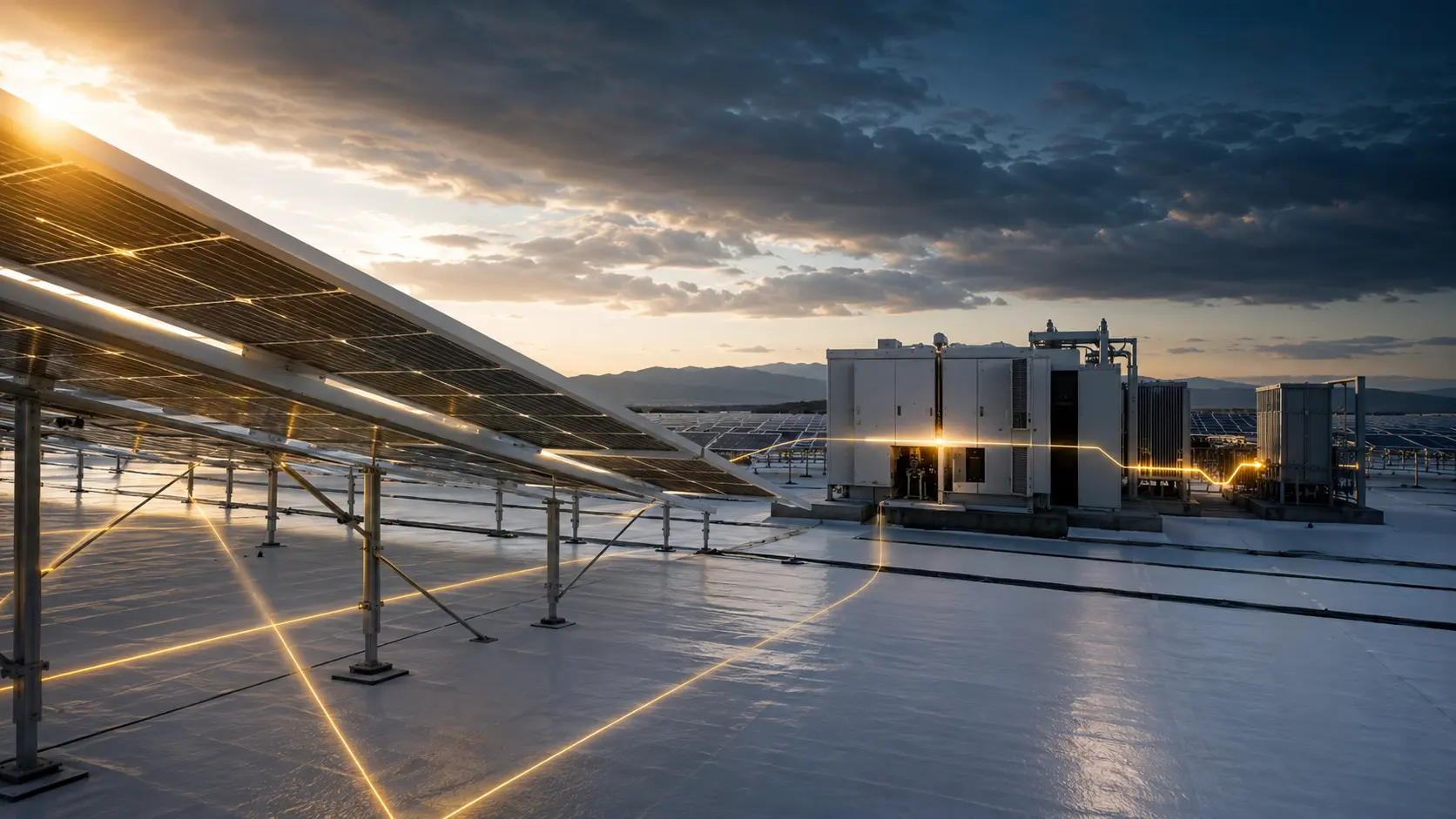
If the plant architecture allows charging from PV power that would otherwise be clipped or curtailed, storage can convert some constrained DC production into later usable energy. The BESS must have available power, energy capacity and state of charge at the right time.
Subtract conversion and round-trip losses and follow the project's grid, inverter and PPA rules. Storage does not make all clipping disappear automatically.
A practical analysis
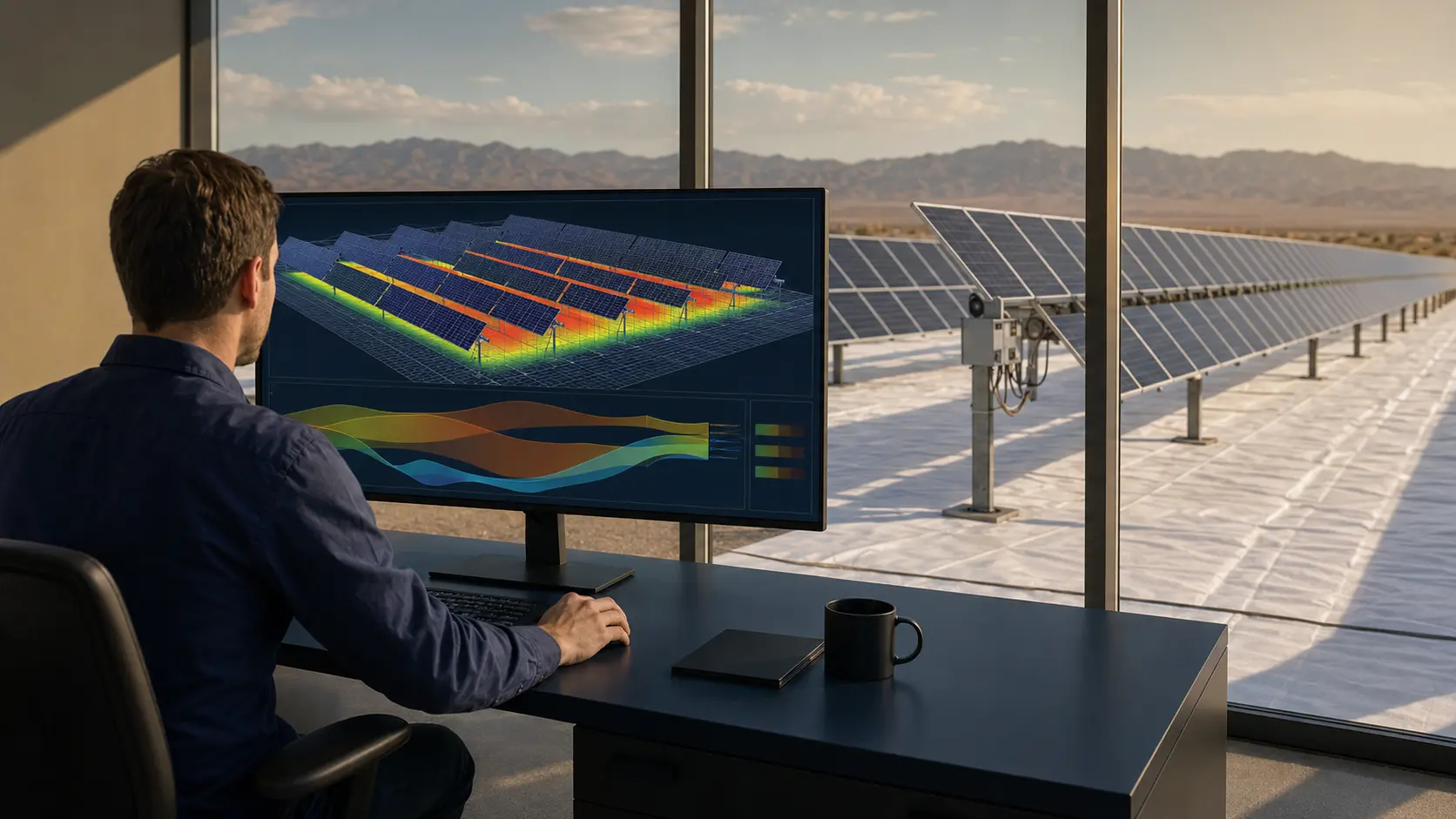
Export hourly DC power, inverter input limit, AC output and clipping loss for both cases. Identify incremental DC energy during unclipped, clipped and curtailed periods. Apply BESS dispatch only to technically capturable energy.
Report three figures: optical/DC uplift, incremental AC before curtailment and incremental settled energy. Investors can then see exactly where value is retained or lost.
Frequently asked questions
Questions asset owners and EPCC teams ask
Does LSS6 mean clipping no longer matters?+
No. Packages 1 and 2 pair solar with BESS, but inverter limits, BESS dispatch, losses and interconnection constraints still matter. Package 3 is solar-only.
Can storage capture every clipped kilowatt-hour?+
No. Capture is limited by topology, charge power, energy capacity, state of charge, controls, efficiency and commercial rules.
Sources and further reading
External technical and policy links are provided for due diligence. Supplied-reference project claims should be verified against full reports before investment use.
Engineering and investment note: This article is educational content, not a performance guarantee, tender interpretation or investment recommendation. Project results depend on site geometry, measured conditions, equipment, contracts and final engineering.